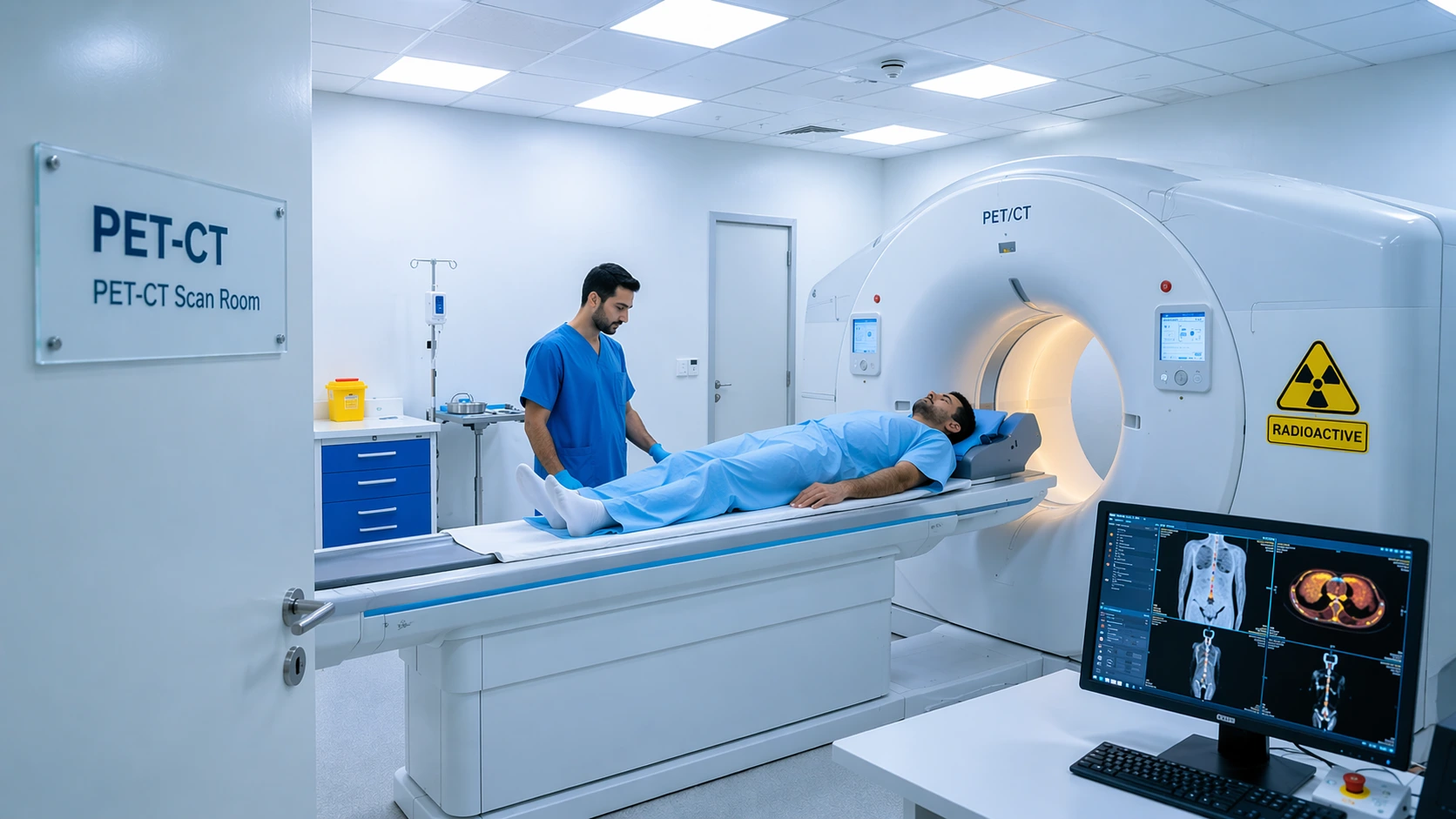
One cycle of chemotherapy costs between AED 300,000 and AED 400,000 in the UAE, and critical illness insurance becomes a financial lifeline at this point. A heart bypass surgery may cost greater than AED 110,000, while a thrombectomy for stroke can set you back more than AED 50,000. These figures show how a serious diagnosis can drain your savings fast.
Critical illness insurance coverage provides a lump sum payment when you're diagnosed with a serious condition. It helps you manage treatment costs and recovery expenses without financial strain. So, is critical illness insurance worth it? We'll explain how critical illness insurance works in this piece. You'll learn what conditions are covered and why UAE residents should think over this protection in 2026.
Understanding Critical Illness Insurance in the UAE
What is Critical Illness Insurance
Critical illness insurance provides a lump sum payout when you're diagnosed with a qualifying serious illness. Most insurers in the UAE cover between 30 to 34 critical illnesses, including cancer, heart attack, stroke, major organ transplant, multiple sclerosis, Parkinson's disease, and end-stage renal failure.
The payout goes directly to you, not to hospitals or medical providers. You can use this money for any purpose, whether that's covering medical bills, paying household expenses, clearing debts, or even funding alternative treatments. This flexibility sets it apart from standard medical coverage.
Premiums start from as little as AED 70 a month, and coverage can reach up to AED 1000 monthly depending on your policy. Monthly premiums can be as low as AED 75, and this makes the protection available for most residents.
How Does Critical Illness Insurance Work
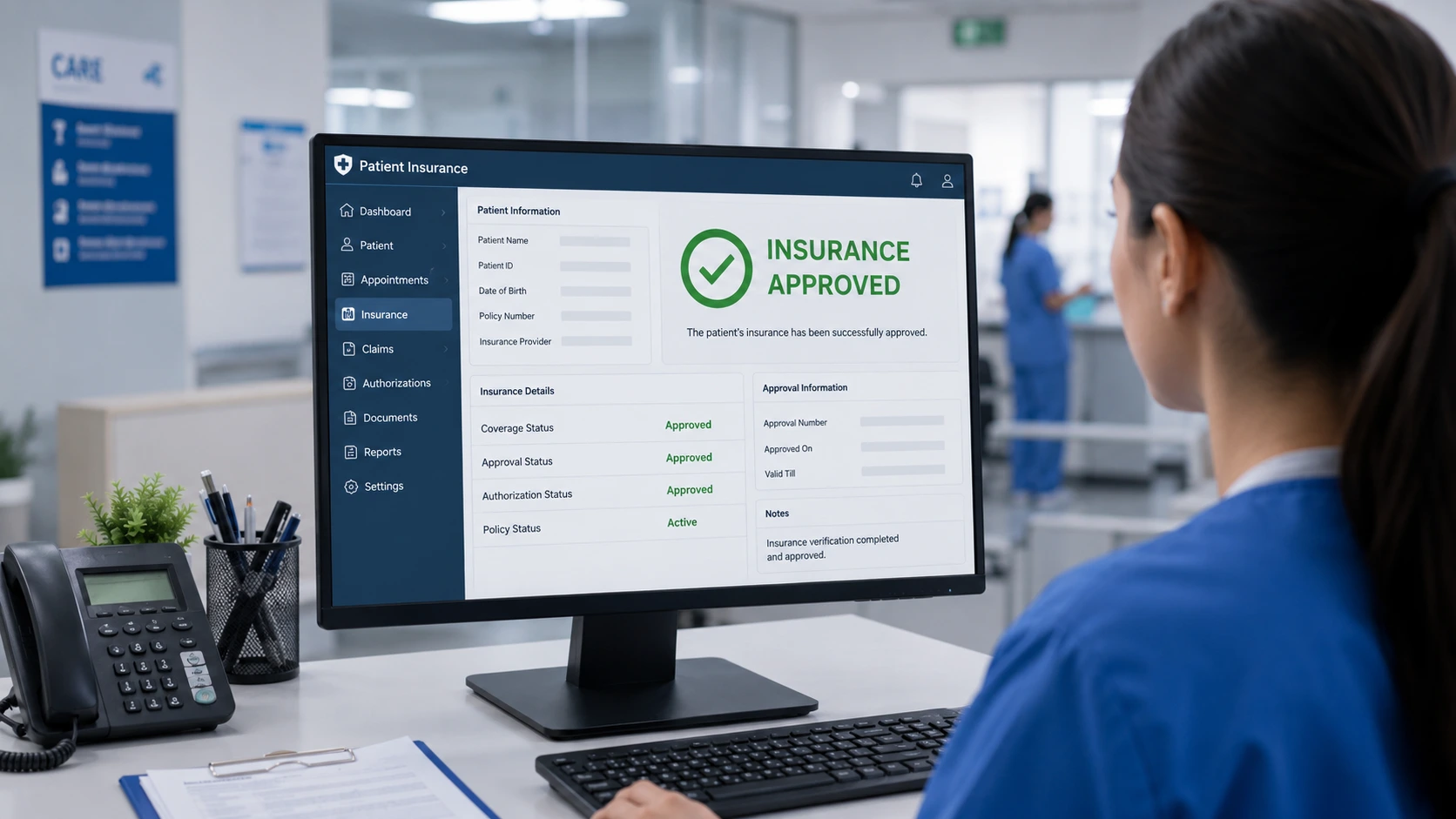
You select a policy from a licensed UAE insurer and pay regular premiums based on your age, health status, and chosen coverage amount. If you're diagnosed with a covered illness, you submit medical documentation to your insurance company.
You receive the lump sum payment according to your policy terms once your claim is approved. Most policies have a 90-day waiting period from the start date, and you must survive for 30 days from diagnosis to qualify for the payout.
Critical illness insurance comes in three forms in the UAE. You can purchase a stand-alone policy or get it as a built-in benefit within term life insurance plans. Another option is to add it as a rider to existing life policies with an extra premium.
Difference Between Critical Illness and Health Insurance
Health insurance reimburses your medical provider expenses based on actual treatment costs. It covers doctor visits, hospital stays, outpatient care, and preventive services. The amounts paid associate with your medical bills.
Critical illness insurance pays a fixed lump sum that isn't linked to treatment costs. You receive this payment upon diagnosis, not after you incur expenses. Health insurance doesn't cover long-term recuperation, therapy, or home-care services. It also doesn't replace lost income during recovery.
Health insurance handles your immediate medical bills while critical illness insurance protects your financial stability during a major health crisis. They serve different purposes and work best as complementary protection.
| Feature | Critical Illness Insurance | Health Insurance |
| Payout Type | Lump sum cash payout | Pays/reimburses medical bills |
| When You Get Paid | On diagnosis of a covered illness | After or during treatment |
| Usage of Money | Any purpose (bills, income, recovery) | Only for medical expenses |
| Coverage Focus | Major illnesses (cancer, stroke, heart) | General healthcare (doctor, hospital) |
| Income Protection | Yes | No |
| Flexibility | High | Limited to treatment costs |
| Role | Financial safety net | Medical cost coverage |
Why Critical Illness Insurance Matters for UAE Residents
Rising Healthcare Costs in the UAE
Health insurance premiums in the UAE are climbing by 8 to 10 percent in 2026, and residents are feeling the effect. A single adult will pay between AED 250 to AED 600 more per year. Families of four face increases of AED 1,200 to AED 2,500 each year, while senior residents could see jumps of AED 1,600 to AED 4,000 or more.
Medical inflation is outpacing general inflation. It grows between 5% and 10% per year. A family policy costing AED 20,000 in 2025 could reach AED 22,000 or higher in 2026. These increases stem from advanced medical technology adoption and rising outpatient visits, along with chronic disease management costs.
Financial Protection Against Major Medical Expenses
Health insurance covers your medical bills, but inpatient care is where costs become catastrophic. Emergency care remains one of the most expensive segments in the private healthcare market. Critical illness insurance fills the gap by providing cash for non-covered expenses like rehabilitation and home care, experimental treatments included.
Protecting Your Family's Quality of Life
When you're diagnosed with a critical illness, the lump sum payout will give your family ongoing commitments like rent and loans, education fees included, without stress. This financial buffer replaces lost income and covers household expenses. You can focus on recovery rather than financial strain.
Covering Loss of Income During Recovery
Recovery from a critical illness often requires extended time away from work. Your income drops while expenses increase. Critical illness insurance acts as income replacement and provides financial stability during treatment and recuperation periods.
Critical Illness Insurance Coverage: What's Protected
Common Critical Illnesses Covered
UAE insurers cover between 32 to 50 critical conditions. Standard policies have cancer, heart attack, stroke, coronary artery bypass surgery, kidney failure, major organ transplant, multiple sclerosis, Parkinson's disease, and Alzheimer's disease[173]. Detailed plans extend to conditions like bacterial meningitis, coma, aplastic anemia, motor neuron disease, and apallic syndrome.
Cancer and Heart-Related Conditions
Cancer coverage has malignant tumors with uncontrolled cell growth verified by histopathological reports. Heart attack requires cardiac biomarker elevation above the 99th percentile plus ECG changes or acute symptoms. Policies cover coronary artery bypass surgery for blocked arteries and heart valve surgery. Early-stage cancers, carcinoma in situ, and prostate cancer below TNM classification T2N0M0 are excluded.
Stroke and Neurological Diseases
Stroke coverage requires brain tissue death with neurological deficits that persist for at least 60 days and are confirmed by CT or MRI scans. Multiple sclerosis, Parkinson's disease, Alzheimer's disease, and motor neuron disease are protected[173]. Transient ischemic attacks don't qualify.
Organ Failure and Transplants
Kidney failure that requires regular dialysis qualifies for coverage. Major organ transplants have heart, lung, liver, kidney, and pancreas as a recipient. Transplants of partial organs or tissues are excluded.
Major Surgeries and Burns
Aorta surgery and specific cardiac procedures are covered surgeries. Major burns qualify under detailed policies.
What's Not Covered Under Critical Illness
Policies exclude pre-existing conditions, illnesses diagnosed within 90 days of policy start, and conditions that require survival under 30 days post-diagnosis. Self-inflicted injuries, substance abuse-related illnesses, HIV/AIDS complications, war-related injuries, and hazardous sports injuries get no coverage. Claims fail if you're dishonest during application.
Who Should Buy Critical Illness Insurance in 2026
Individuals with Family History of Critical Illness
Critical illness insurance becomes a protective measure against inherited health risks if cancer, kidney disease, stroke, or heart conditions run in your family. Genetic predisposition increases your likelihood of developing these conditions. You carry a higher risk of inherited genes causing similar conditions if immediate relatives have suffered from serious illnesses at young ages.
Sole Earners and Primary Breadwinners
Primary earners supporting dependents face the greatest financial vulnerability. Would your savings cover household expenses, loan repayments, and children's education fees if you couldn't work for six months? Critical illness insurance prevents a financial collapse during recovery if you're a breadwinner with loans and financial obligations. The recommended coverage equals three to five years of annual income.
Non-working spouses also need equal or greater coverage. Homemakers manage all household operations, and their illness forces breadwinners to choose between work and family responsibilities. This affects job performance and income stability. Expat families without extended family support often face unplanned relocation that disrupts children's education and financial goals when the homemaker suffers a critical illness.
People in High-Stress Jobs
Demanding careers accelerate health deterioration. Stress triggers heart attacks, cancer and other serious conditions. Our regional claims data shows the average critical illness claimant age is just 49 years. This occurs 11 to 16 years before conventional retirement.
UAE Expats and Their Unique Needs
Expatriates face distinct challenges without local family support networks. Employer-provided health insurance has limitations and doesn't cover all critical illness expenses. Critical illness insurance fills these coverage gaps if you're an expat between ages 21 to 59 holding a valid UAE residence visa.
Find Better Health Coverage Plan with Shory
Before you choose the coverage, look into health insurance as well as critical illness insurance. While health insurance is good for hospital charges and routine care, it may not provide a complete insurance package that covers all the expenses associated with major illnesses. Platforms like Shory make this process much easier by allowing you to compare multiple health insurance policies in the UAE in minutes. Compare health Insurance coverage options, premiums, and benefits to get the right plan that complements your critical illness insurance policy. This way, you’ll be protected not just from the costs of treatment but also for recovery, income loss, and long-term care.
Conclusion
Critical illness insurance serves as your financial safety net at the time you face serious health conditions. Healthcare costs are rising 8 to 10 percent in 2026 and treatment expenses reach hundreds of thousands of dirhams. We recommend evaluating your coverage needs today. You might be a breadwinner, have a family history of illness, or work in high-stress environments. This protection will give your family's stability during recovery. The question isn't if you need it but when to secure it.
Key Takeaways
Critical illness insurance provides essential financial protection for UAE residents facing rising healthcare costs and serious medical diagnoses in 2026.
- Healthcare costs are skyrocketing: A single chemotherapy cycle costs AED 300,000-400,000, while heart surgery exceeds AED 110,000 in the UAE.
- Lump sum flexibility beats medical reimbursement: Unlike health insurance, critical illness coverage pays you directly to use for any purpose - treatment, bills, or income replacement.
- Premiums start affordably at AED 70 Monthly: Monthly payments as low as AED 70 make this protection accessible for most UAE residents.
- Breadwinners and high-risk individuals need priority coverage: Primary earners, those with family medical history, and high-stress professionals face the greatest financial vulnerability.
- Expats face unique challenges without family support: UAE expatriates need this coverage to bridge gaps in employer insurance and handle recovery without local family networks.
The average critical illness claim occurs at age 49 - well before retirement - making early protection crucial for maintaining your family's quality of life during health crises.