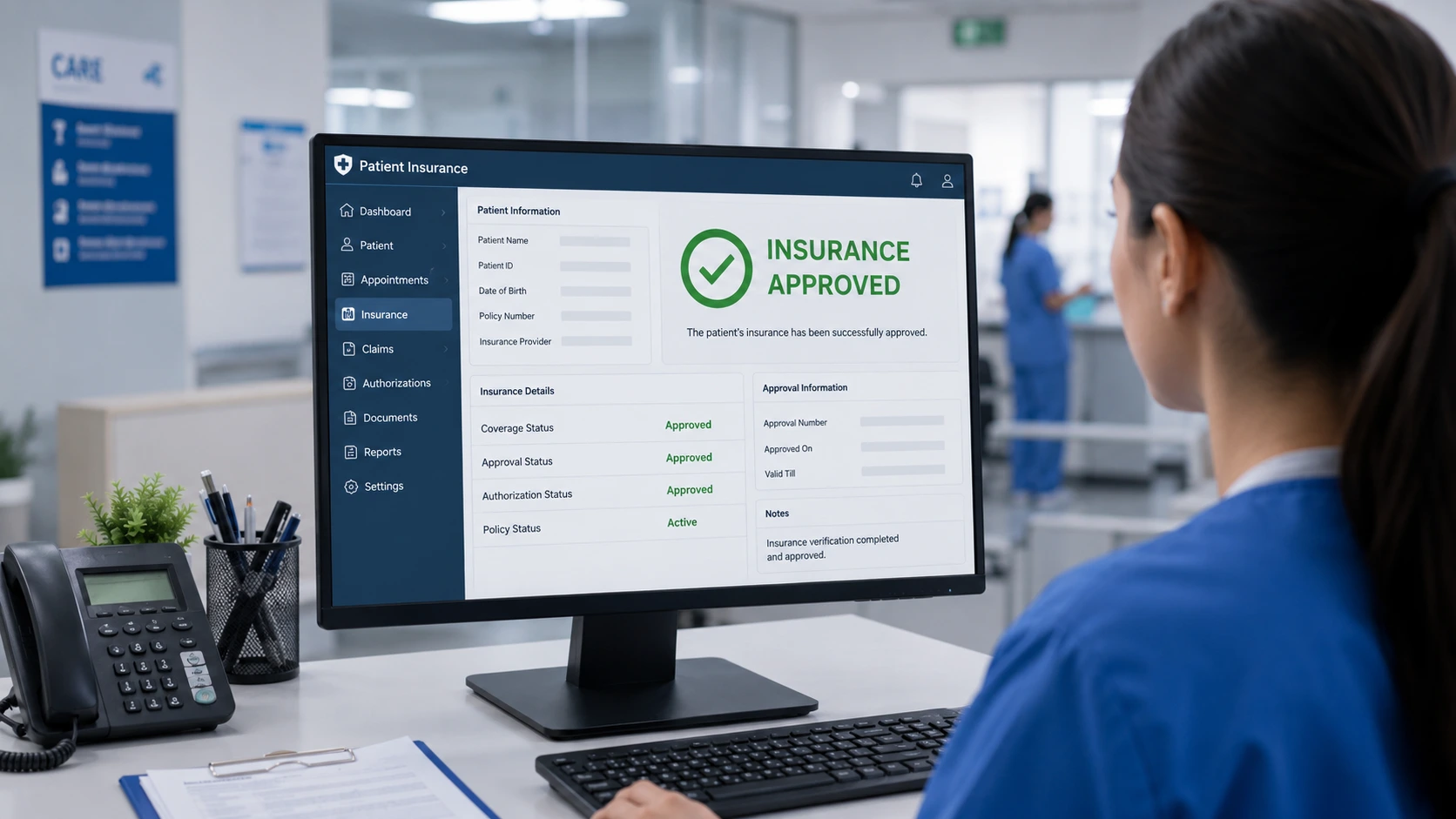
What is TPA in Health Insurance UAE?
A Third-Party Administrator (TPA) in health insurance refers to a company that provides operational services such as claims processing and policy benefits management on behalf of insurance providers. Insurance companies outsource their administrative functions to these specialized entities, which operate as licensed intermediaries between the insurance provider and policyholders. The core function centers on processing and settling claims, though responsibilities extend to premium billing, customer enrollment, and handling policies.
TPAs maintain complete records of policyholders in dedicated databases and issue ID cards or eCards to insured individuals. These cards contain policy details, policyholder information, and the responsible TPA's identification. Policyholders must present them to hospital authorities before availing cashless hospitalization services. The validation procedure authorizes the issuance of these health cards for every policy issued to the policyholder. Policyholders inform the TPA when hospitalization occurs, which then directs them to hospitals within its empaneled network.
The administrative scope includes building and maintaining hospital networks of all sizes by enlisting facilities that meet specific criteria for network membership. TPAs ensure smooth claim processing by verifying and checking documents submitted by insured individuals. They collect paperwork from hospitals for cashless claims or request bills and supporting documents for reimbursement claims. Hospital bills are forwarded to the TPA after discharge, which sends all documents for claim consideration, along with bills, to the insurer for final settlement.
TPAs arrange value-added services beyond core claim administration. These include ambulance services, wellbeing programs, and 24×7 toll-free helplines available across the country. Industry data shows that approximately 60% of workers are enrolled in plans managed and administered by TPAs. A single TPA can cooperate with multiple insurance companies and broaden service capabilities for policyholders. The regulatory framework requires TPAs to hold licenses from insurance authorities. This ensures compliance with industry standards and operational guidelines.
TPA vs Insurance Company vs Broker: Understanding the Difference
Three distinct entities operate within the UAE health insurance ecosystem, each serving different functions. An insurance company underwrites policies and bears the financial risk of coverage, designing insurance products, setting premiums, evaluating risk, and paying claims. The insurer carries the legal obligation behind every policy issued and must maintain specific solvency requirements under Central Bank of the UAE (CBUAE) regulations.
A TPA provides administrative services without assuming financial risk for claim payments. TPAs handle day-to-day operations on behalf of insurance carriers, including enrollment management, billing reconciliation, and member records maintenance. The relationship between insurers and TPAs represents a division of labor where the carrier manages financial and product aspects while the TPA handles operational execution. TPAs process claims but do not make final approval decisions, which remain with the insurance company based on policy terms and medical necessity criteria.
An insurance broker functions as a licensed intermediary who helps individuals and businesses compare policies from multiple insurers without issuing or guaranteeing coverage. Brokers do not underwrite policies or bear financial risk. UAE regulations effective from February 2025 require insurance brokers to hold brokerage agreements with at least two insurance companies to ensure genuine market comparison capabilities. Brokers sell coverage to consumers while TPAs administer it after the sale.
The difference becomes critical in self-funded arrangements, where employers assume financial risk for employee healthcare costs. Industry data shows that 63% of covered workers are enrolled in self-funded plans. TPAs coordinate stop-loss insurance to cap employer liability while managing health insurance claims adjudication and compliance tasks in these arrangements. The TPA earns administration fees rather than premium income, whereas insurance companies earn premiums and investment income driven by claims experience and pricing decisions.
How to Work with Your TPA Effectively
Effective member interaction with TPAs requires understanding specific touchpoints and documentation protocols within the administrative framework.
Finding Your TPA Details
TPA identification information appears on health insurance cards or e-cards. The administrator's name and helpline number will be displayed there. Policy welcome letters and policy documents contain TPA details within claims sections. Insurer websites provide claim assistance pages that list assigned administrators. Members should maintain records of TPA helpline numbers and email addresses. Policy or member identification codes help speed up service access.
Required Documents for Claims
Reimbursement claims require original discharge summaries. These must bear hospital seals and authorized signatures. You need completed claim forms (Parts A and B) and hospital bills with itemized breakdowns. Payment receipts are essential. Investigation reports with corresponding prescriptions and pharmacy bills complete the package. Identity verification requires government-issued photo identification and address proof. Bank account details for electronic fund transfer include canceled cheques and account holder information. Accident cases mandate police First Information Reports (FIR) or Medico-Legal Certificates (MLC). Surgical procedures with implants require original invoices. Product stickers and supporting documentation must accompany these.
When to Contact TPA vs Insurer
TPAs handle claim-related queries. These include pre-authorization status, cashless facility coordination, and claim processing updates. Insurance companies address policy-related matters such as renewal procedures and coverage modifications. They also handle formal grievance resolution. The separation will give appropriate expertise and authority to specific member needs.
Common Issues and Solutions
|
Issue |
Resolution Protocol |
|
Pre-authorization delays |
Contact TPA helpline, request supervisor escalation, escalate to insurer if unresolved |
|
Pre-authorization denials |
Get written denial reason with policy clause references |
|
Hospital reports TPA non-responsiveness |
Initiate direct TPA contact, secure reference number documentation |
|
Extended claim processing periods |
Escalate to insurer grievance cell after standard processing timeframes expire |
|
Excessive documentation requests |
Verify requirements directly with insurer to confirm necessity |
|
Network facility cashless rejection |
Confirm current network status, request TPA confirmation letter for provider |
How Shory helps with claims
Shory doesn't hand you a policy and disappear. If pre-authorization is delayed, a claim is stuck, or you're unsure what documents to send, the support team gets involved. You contact Shory rather than trying to figure out whether to call your insurer or your TPA. They know which entity handles what and can push on your behalf.
Conclusion
TPAs handle the operational side of health insurance so you're not calling the insurer every time you need care. The TPA is the company you actually deal with for pre-authorizations, cashless treatment, and claims. The insurer is behind that, holding the financial risk and making final coverage decisions.
Know your TPA before you need them. Keep the helpline on your phone. Understand what reimbursement requires before you're standing in a hospital trying to remember.