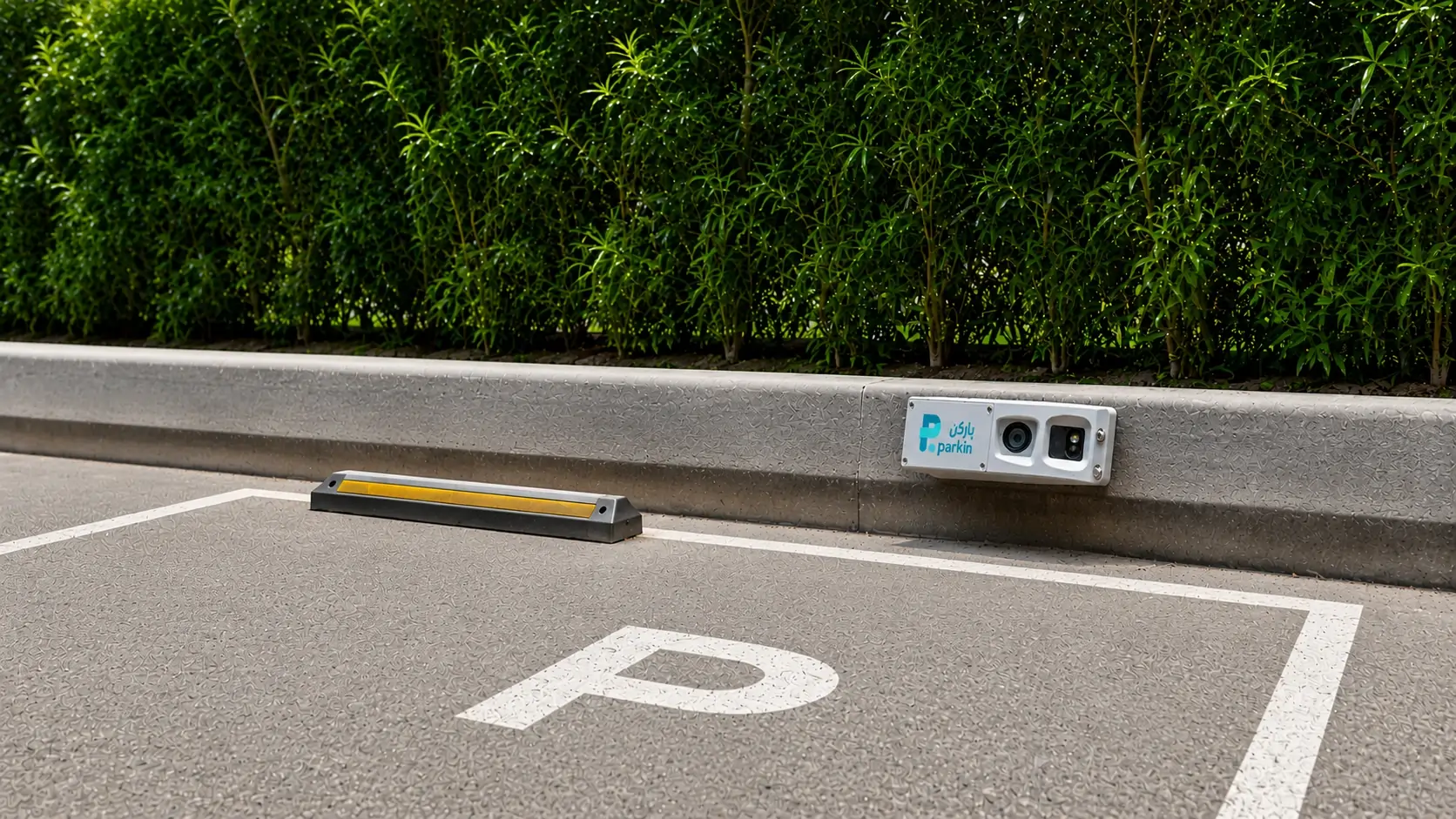
Dubai's public parking operator Parkin has installed AI parking cameras that are transforming how we pay for street parking across the emirate. The system features more than 500 solar-powered curb and pole-mounted cameras. Parkin deployed them in high-traffic areas such as Burj Khalifa, Trade Center 1, and Al Corniche. An additional 200 cameras will be rolled out across Dubai for expanded coverage. These devices capture vehicle images and read number plates. They enable automatic payment through the Parkin app, which eliminates the need for traditional parking meters. In fact, this AI parking infrastructure marks a fundamental change toward simplified and green urban mobility. We explore how the system works and the benefits for drivers. We also examine what this means for Dubai's smart city vision.
Parkin Deploys 500+ AI Cameras Across Key Dubai Districts
The rollout operates in its first phase and targets high-density commercial districts where parking demand stays consistently high. Parkin announced on Wednesday, May 13, the installation of over 500 curb and pole cameras across the three major locations. The curb-side units are the first of their kind in the region. Engineers designed these cameras to blend into existing street infrastructure rather than function as standalone enforcement equipment.
Every camera unit runs on solar power and eliminates grid connection requirements. This design choice lines up with Dubai's broader sustainability objectives for urban infrastructure development. Parkin has deployed 200 cameras across controlled parking lots throughout the emirate beyond on-street coverage.
The devices provide live monitoring of parking bay occupancy and track which spaces fill and empty as drivers arrive and depart. Both curb-mounted and pole-mounted cameras work together to capture complete coverage of designated parking zones. Mohamed Abdulla Al Ali, CEO of Parkin, stated that adopting advanced smart technologies remains central to how the company improves parking management across Dubai. Talal Al Ajmi, CTO of Parkin, added that this deployment marks an important step in advancing smart parking technology, with camera systems and live data enabling improved operations.
How Does the AI Parking System Enable Automatic Payments?
Advanced camera technology powers the automated payment mechanism that ai parking cameras Dubai has deployed in street parking zones. Parkin reports that the AI-enabled systems capture vehicle images and read number plates using optical character recognition algorithms. Cameras identify entry and exit times for each vehicle, calculate the exact parking duration, and process automated parking fee payments without requiring any manual input from drivers.
The system records entry and exit times. This allows automatic payment through the Parkin app and its integrated digital wallet. This eliminates the need for parking meters or SMS-based session activation that previously required driver interaction. Talal Al Ajmi, Parkin's CTO, explained that the change toward evidence-based operations improves consistency and accuracy in parking management. Integration with the Parkin App supports a simplified approach to parking management throughout operations.
Both camera systems connect within the Parkin App and enable auto-payment through the Parkin Wallet. The ai parking infrastructure contributes to smoother traffic movement and better use of urban space while reinforcing Dubai's smart city strategy. The rollout supports Dubai's wider smart mobility and connected city ambitions by improving parking turnover and traffic flow in urban areas.
What Benefits Will Dubai Drivers Experience?
Drivers using ai parking cameras Dubai has deployed will experience several operational improvements, especially when you have to reduce time spent searching for available spaces. Smart parking systems can reduce search time by up to 43%. Some guidance systems cut search duration by 45% to 55%. Research shows that up to 30% of traffic in busy districts results from drivers searching for parking spaces. The automated system addresses this problem.
Immediate parking occupancy data helps reduce the time motorists spend searching for available spaces, a contributor to congestion in dense urban areas. Studies suggest smart parking could help reduce traffic congestion between 14% to 30%. The automated enforcement system improves accuracy in violation detection and reduces the risk of incorrect fines. Charges link to actual parking duration.
The system provides time savings by eliminating the need to circle for spaces. The technology improves parking turnover and reduces congestion caused by drivers searching for parking spaces. It supports Dubai's wider urban mobility ambitions. Uninterrupted automated payments through the app create a frictionless experience and reduce frustration associated with traditional parking methods. License plate recognition aids automatic billing for exact parking duration and eliminates interaction with parking meters.
Conclusion
The deployment of AI parking cameras represents a substantial upgrade to Dubai's urban infrastructure overall. The solar-powered system operates in key districts already and delivers measurable benefits to drivers through reduced search times and automated payments. Congestion eases in high-traffic areas, and parking turnover improves by a lot. This technology positions Dubai as a leader in smart city state-of-the-art development. Automated parking management sets new standards for urban mobility solutions.