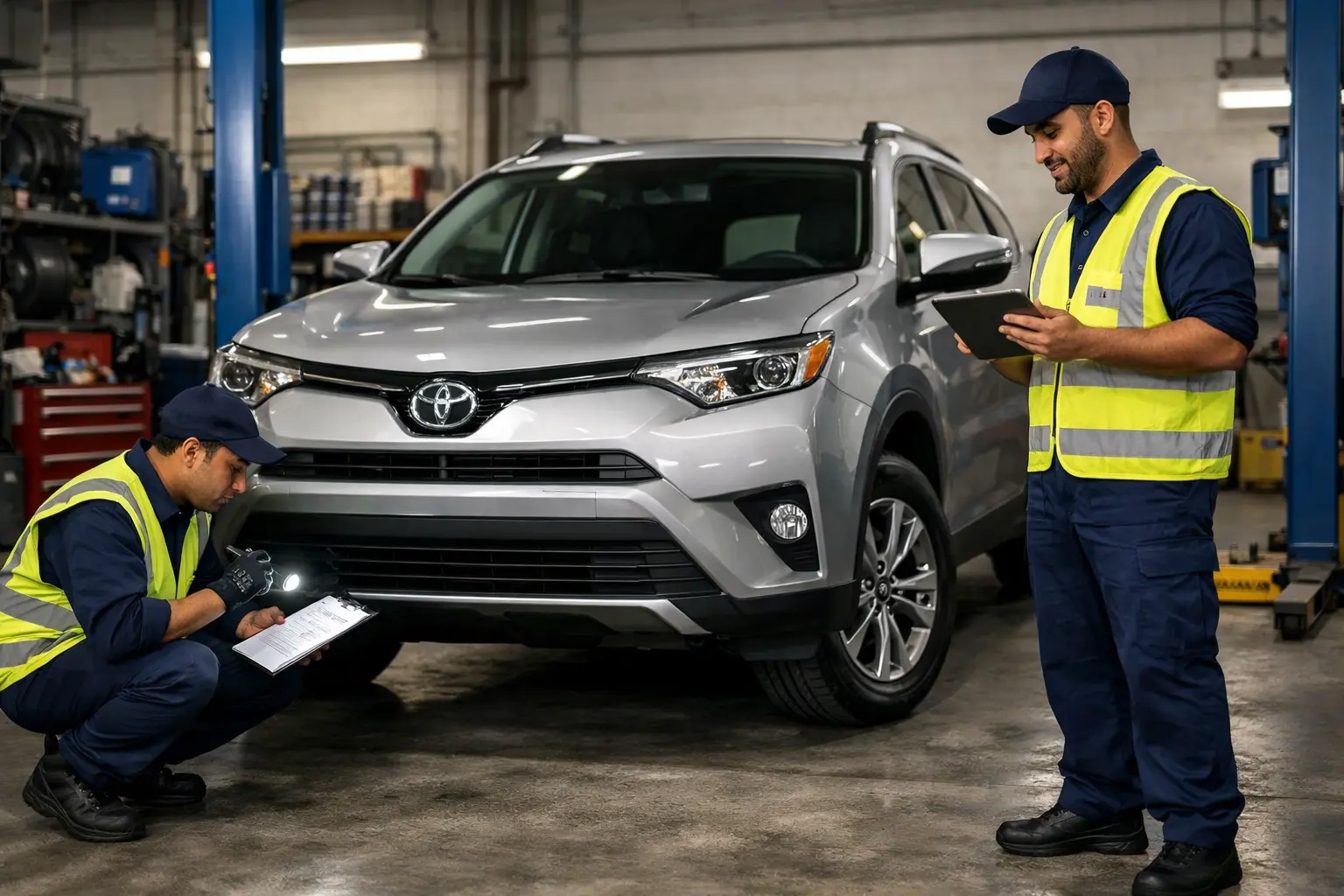
A simple MOI accident check could save you thousands of dirhams on your next used car purchase in the UAE.
The UAE has one of the world's most diverse used car markets. This benefit brings serious risks with it. Cars involved in accidents lose value fast, particularly after major crashes. Some insurance companies might refuse full coverage or raise your premiums. They could even reject claims for damage that happened before you bought the vehicle.
You should check the accident history before buying any used car. The good news is that you can verify a car's accident history online in the UAE through three reliable methods. VIN number check UAE services and other platforms give you detailed information. You'll see accident reports, how severe they were, and records of insurance repairs. The best part? Most car history checks in the UAE cost nothing thanks to online services.
Let me walk you through each step to access MOI accident history check services and other trusted platforms. You'll learn how to avoid buying a problematic vehicle and understand what it's really worth.
Why Checking Accident History Matters in the UAE
A used car's accident history check isn't just a safety measure - it's vital when buying a used car in the UAE. A major UAE auto platform survey shows that 80% of unhappy used car buyers blame undisclosed problems from sellers. This check protects your investment and keeps you safe on the road.
Avoid buying damaged or unsafe vehicles
A shiny exterior might hide serious structural problems underneath. Cars that survived major crashes often have damage to their chassis, steering systems, or airbag mechanisms. These problems can put your safety at risk even after cosmetic fixes. You'll notice these issues when you're driving at high speeds or need to make emergency moves.
Some cars look perfect on the outside but hide deeper problems beneath quick fixes. Many repairs just cover up the surface while serious structural damage remains hidden. That's why professional inspectors ask you to verify everything instead of taking the seller's word about crashes.
Understand the car's real value before purchase
Past accidents can really affect a vehicle's market value. UAE market data shows cars with accident history lose 10-30% of their value. Clean records fetch up to 25% more. This knowledge gives you the upper hand when you negotiate prices.
You'll also know what to expect for future repairs and maintenance when you understand the car's true condition. Cars that were in accidents need more frequent repairs and might develop related problems later. You can make better financial choices when you know the car's actual condition rather than just how it looks.
Prevent legal or insurance issues later
Insurance companies look closely at crash histories when they set coverage and rates. They check accident reports to assess risks, which directly changes your insurance costs. Sometimes insurers might:
- Refuse full coverage
- Increase premium rates
- Deny claims related to pre-existing damage
UAE Consumer Protection Law requires sellers to tell you about prior accidents or damage. They break consumer rights laws if they don't. This rule helps prevent legal fights between buyers and sellers, especially when major repairs have been hidden.
Running an MOI accident check and looking through other crash records gives you peace of mind. You'll know you made a smart choice based on all the facts.
Step 1: Get the VIN or Chassis Number
The VIN (Vehicle Identification Number) helps you access accurate vehicle history in the UAE. This unique 17-character alphanumeric code works like your car's fingerprint and contains all the details about its manufacture, specifications, and history.
Where to find the VIN on your car
- Finding the VIN on your car is easy. You'll spot this vital identification code in several places:
- Dashboard (Driver's Side): Look through the windshield at the lower corner
- Driver's Side Door Frame: Look for a sticker or metal plate on the door jamb or pillar
- Under the Hood: Near the firewall or on the engine
- Vehicle Registration Card (Mulkiya): Printed clearly on your registration
- Inside the Front Frame: Front section of the vehicle frame
- Insurance Documents: Listed in your policy papers
Remember that your car's chassis number matches the last six digits of the VIN, though people often use these terms interchangeably.
Why the VIN is essential for accident checks
The VIN acts as a universal identifier that links your vehicle to its official records in all UAE databases. You need this number to perform an MOI accident check. It's the only reliable way authorities can connect the physical vehicle to its documented history.
Be wary if a seller refuses to share the VIN or makes excuses—they might hide serious problems. Different VIN numbers between the vehicle and its papers often point to tampering, replaced parts, or even a stolen vehicle.
vin number check uae: what it reveals
A complete VIN check in the UAE shows you:
- Police-reported accidents from multiple emirates
- Registration details and verification
- Signs of fraudulent activities or document tampering
- The vehicle's real age, make, and model
- Theft records and ownership history
This check protects you from buying a vehicle with hidden damage or legal problems.
Step 2: Use MOI Website for Accident History Check
The MOI website provides a central platform to check vehicle accidents in multiple emirates once you have the VIN number. Their tool serves as the most reliable source to verify vehicle history nationwide.
How to access the MOI accident history check tool
You can access the MOI accident check service through their official portal (MOI). The government platform lets you look up a vehicle's accident history with just its VIN number.
Step-by-step guide to using the MOI portal
- Visit the MOI website and go to the Traffic/Accidents Inquiry service
- Enter the vehicle's VIN number in the designated field
- Complete any verification or captcha if prompted
- Submit the form to view results
What information you'll see in the report
The portal instantly shows detailed information including:
- Number of reported accidents
- Accident report numbers
- Location of incidents
- Current Vehicle Registration Status
- Traffic violations (if applicable)
MOI accident history vs other sources
The MOI website covers vehicles registered in Abu Dhabi, Sharjah, Ajman, Umm Al Quwain, Ras Al-Khaimah, and Fujairah. The system is a great way to get details about vehicles previously registered in other emirates before moving to Dubai. But vehicles under Dubai registration from the start or imported without registration won't show up in the results.
Step 3: Other Trusted Platforms to Check Accident History
Several platforms besides the MOI portal can give you valuable accident history information. Each service works best based on where the vehicle was registered.
Using Emirates Vehicle Gate (EVG)
EVG works great for checking accident records of vehicles registered in Abu Dhabi, Sharjah, Ajman, Umm Al Quwain, Ras Al Khaimah, and Fujairah. Here's how to access it:
- Visit EVG
- Select "Traffic Accidents Management" or use Quick Search
- Enter the VIN/chassis number
- Submit to view accident locations, dates, and report numbers
Using Abu Dhabi Police portal
The Abu Dhabi Police portal gives complete police-reported data for vehicles used mostly in Abu Dhabi:
- Visit the Abu Dhabi Police e-services page
- Select "Accident Inquiry"
- Enter the chassis number
- View accidents recorded by Abu Dhabi Police
Using RTA Dubai website
RTA provides detailed reports for Dubai-registered vehicles:
- Access RTA
- Go to Vehicle Status Certificate
- Submit the VIN and pay AED 120
- Get complete information about accidents, ownership, and insurance history
VIN Check UAE: Comparing Platforms
Each platform covers different areas:
- MOI: All emirates except Dubai-only registrations
- EVG: All emirates except Dubai, plus insurance repair records
- b: Best suited for Abu Dhabi-registered vehicles
- RTA Dubai: Perfect for Dubai-registered vehicles, though it costs money
You'll get the best verification by using multiple platforms together.
Conclusion
Verifying a vehicle's accident history is a vital step in buying a used car in the UAE. This simple check can save you thousands of dirhams and protect you from unsafe vehicles and unexpected repair costs.
You can learn about a vehicle's past incidents through the MOI accident check service, EVG, Abu Dhabi Police portal, and RTA Dubai website. It's best to use multiple platforms to get a full picture since different services cover different emirates.
Sellers might not always tell you about previous accidents, even though they're legally required to. Taking control of the verification process will help you avoid paying more than a car's actual worth. On top of that, it helps prevent insurance issues that often come up with previously damaged vehicles.
The process begins with finding the VIN—your gateway to the car's true history. Without doubt, sellers who resist sharing this information might be hiding something concerning.
The right accident history details will give you an edge in price negotiations and help keep your family safe on UAE roads. You'll drive away knowing exactly what you bought instead of finding unpleasant surprises later.
These verification steps should be mandatory in your used car buying process. The minimal effort needed for these checks is worth it compared to the huge financial and safety risks you might face by skipping them.
Key Takeaways
Protect yourself from costly mistakes and safety risks when buying used cars in the UAE with these essential verification steps:
- Always check accident history before purchase - Over 80% of negative used car experiences stem from undisclosed issues, and accident history can reduce vehicle value by 10-30%
- Use the VIN number to access multiple verification platforms - MOI portal, EVG, Abu Dhabi Police, and RTA Dubai each cover different emirates and provide comprehensive accident reports
- Verify through official government sources to avoid insurance complications - Insurers may refuse coverage, increase premiums, or deny claims for pre-existing damage not disclosed during purchase
- Cross-reference multiple platforms for complete coverage - No single platform covers all UAE emirates, so using MOI plus emirate-specific services ensures thorough verification
- Red flags include seller reluctance to provide VIN - Legitimate sellers should readily share the 17-character code found on registration documents, dashboard, or door frames