Your car's annual maintenance should cost between 2-4% of its value. Did you know that?
UAE vehicles face tough challenges. The scorching sun, sandy roads, and extended drives take their toll as time passes. Service records reveal a sharp rise in engine overheating, battery failures, and tire problems during summer. High temperatures thin engine oil, drain batteries, and affect tire pressure.
Regular car maintenance prevents repairs from getting pricey and helps your car last longer. UAE's harsh climate typically limits car batteries to just two or three years of life, and vehicles here age faster than most owners expect.
This piece offers a detailed car maintenance checklist created just for UAE drivers. You'll find simple maintenance tasks for home care and a complete service schedule for professional maintenance. These tips will keep your vehicle running smoothly in our challenging environment.
Ready to head over to everything you need to know about car care in the UAE?
How to Know Your Car Needs Maintenance
Cars have their own way of telling us when something's wrong. You can save yourself from major repairs by learning these early warning signs.
Unusual sounds or vibrations
Your car's first cry for help often comes through strange noises. Squealing brakes usually mean it's time for new brake pads. The engine might make clicking or knocking sounds when oil pressure drops or engine bearings wear out. Your transmission could be in trouble if you hear grinding noises, and those constant vibrations at certain speeds might point to wheel problems or worn suspension parts. The car might shake when you start moving due to clutch issues or dirty oil.
Dashboard warning lights
Today's cars come with smart warning systems built into the dashboard. A check engine light means your engine or emissions system needs attention soon. The battery icon pops up with charging problems, while an oil can means you need to stop right away due to low oil pressure. Red lights need immediate attention, but amber ones give you some time to get things checked. The dashboard lights should flash briefly when you start the car - if they don't, they might be broken.
Fluid leaks or low levels
Those puddles under your car are telling you something's wrong. Brown or black spots mean engine oil leaking from gaskets or the oil pan. Red puddles point to transmission fluid escaping from seals or cooling lines. Green, yellow, or pink spots show coolant leaking from the radiator or hoses - Brake fluid leaks this can lead to overheating and engine damage. show up as clear to brownish spots and need fixing right away since your brakes could fail.
Reduced fuel efficiency or performance
The car seems thirsty lately? Something mechanical might be wrong. Dirty fuel filters, bad oxygen sensors, or clogged air filters could be the culprits. Soft tires make your engine work harder than it should. A blocked fuel injector messes up the fuel flow, which wastes gas and hurts performance. When the car feels sluggish or idles rough, worn spark plugs might not be burning fuel properly.
Paying attention to these warning signs is key to keeping your car healthy. This helps you avoid expensive repairs and keeps your car running smoothly.
Basic Car Maintenance Tasks You Can Do at Home
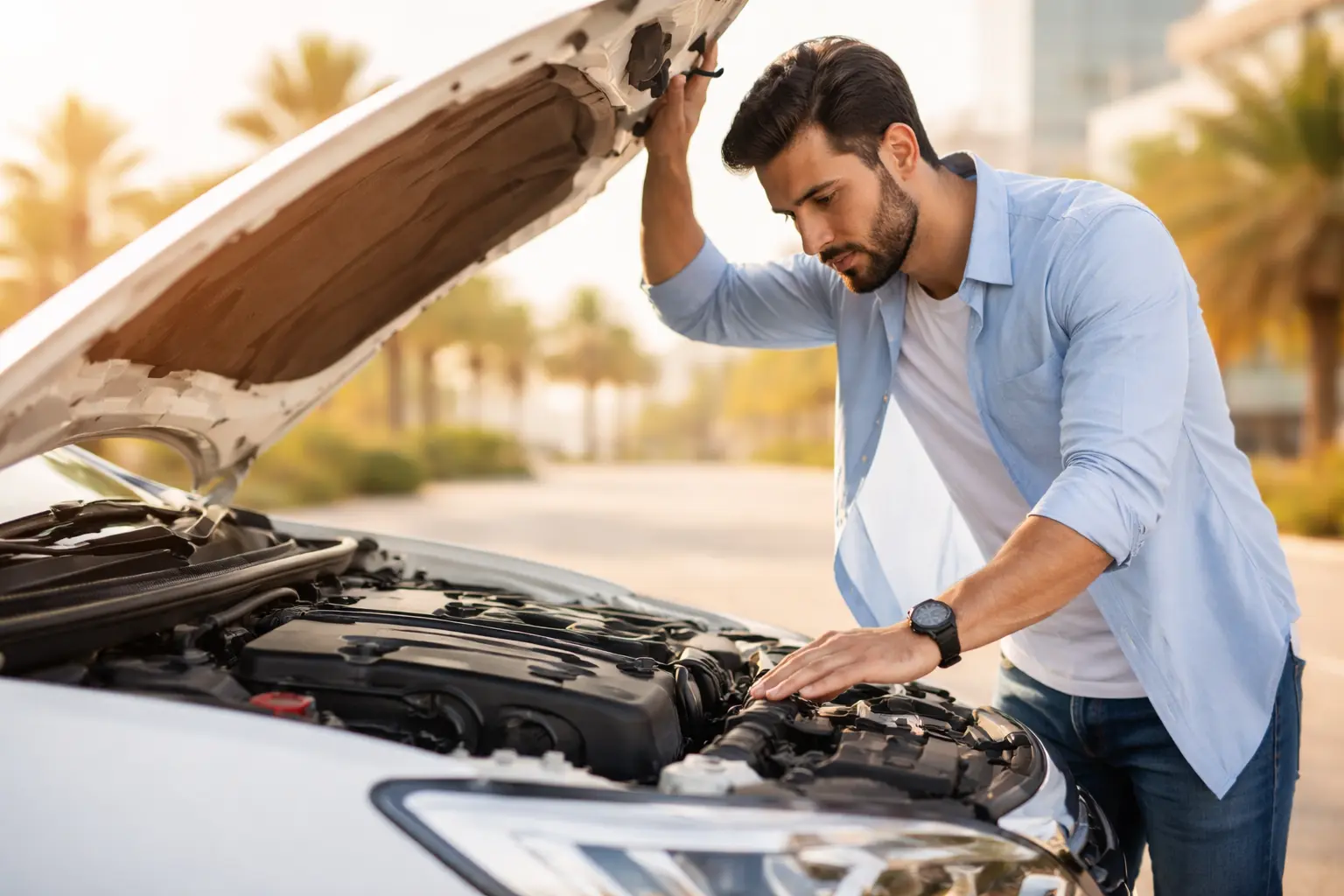
You don't always need a professional mechanic to maintain your vehicle. Many significant maintenance tasks need simple knowledge and minimal tools to do at home.
Check engine oil and coolant levels
Your engine's longevity depends on proper oil levels. Park on level ground and let the engine cool down first. The process is simple - pull the dipstick out, wipe it clean, put it back fully, and check if oil levels are between minimum and maximum marks. Add the recommended oil type slowly if levels are low. The coolant check needs a completely cool engine to prevent burns. You'll find a translucent coolant reservoir with "F" (full) and "L" (low) markings. The level should stay between these indicators. Your engine could suffer serious damage like blown water pumps or head gaskets if the coolant reservoir runs empty.
Inspect tire pressure and tread
Your tires need a pressure check at least monthly. Make sure they're "cold" - meaning the vehicle hasn't been driven for three hours. You can find the recommended pressure on your driver's door edge label or owner's manual. The tread depth check is simple. Use the built-in "treadwear indicators" - raised sections between the tread. Another method is to place a penny with Lincoln's head upside down in the tread. Time to replace your tires if you can see the top of Lincoln's head.
Test battery terminals for corrosion
Your battery terminals need regular checks for white, blue, or greenish buildup that shows corrosion. A mixture of baking soda and water works well to clean corroded terminals. This helps prevent electrical connection issues that could affect starting performance. The battery mounting and terminal connections should be checked for tightness too.
Replace windshield wipers and top up washer fluid
Your wiper blades need replacement every six months to a year, or when they start streaking or making noise. Replacing them is easy - lift the wiper arm, remove the old blade, and snap the new one in place. The washer fluid reservoir sits under the hood with a windscreen icon. Remove its cap and fill until it reaches the full line. Cold weather requires winter-specific fluid to prevent freezing.
Full Car Maintenance Checklist for UAE Drivers
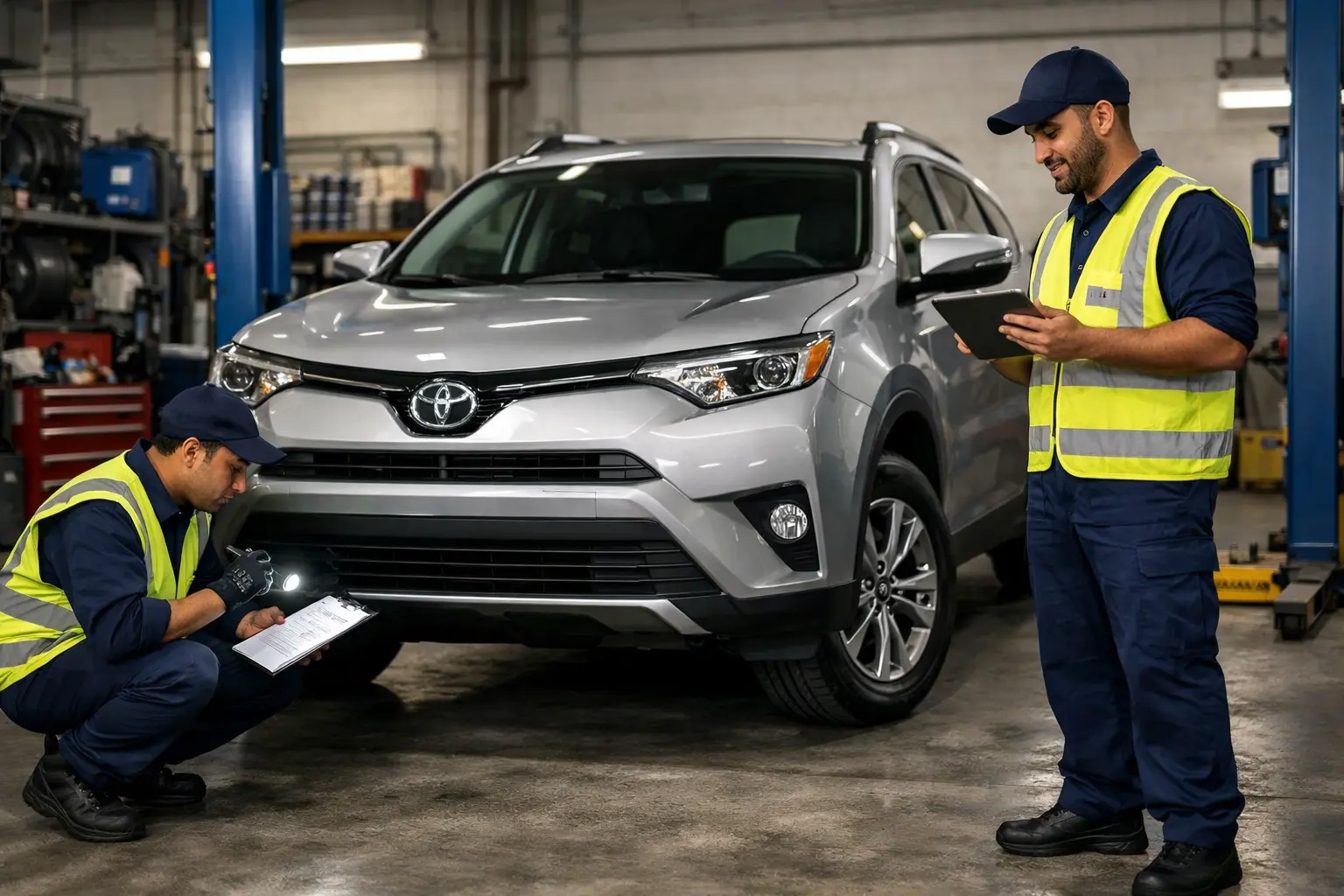
Professional maintenance is vital to keep your vehicle running smoothly in UAE's harsh conditions. Here's what your complete maintenance checklist should include:
Oil and filter changes
UAE's extreme heat makes engine oil degrade faster than in cooler climates. You should replace your engine oil every 5,000-10,000 kilometers or every 3-4 months, whichever comes first. High-quality engine oil will improve your vehicle's performance in UAE's hot weather. The oil filter needs replacement with every oil change to maintain engine cleanliness and prevent contamination.
Brake inspection and fluid check
Your vehicle's safety depends on well-functioning brakes. Regular brake inspections help monitor brake pads, disks, and fluid levels. The brake fluid needs replacement about every two years. This fluid absorbs moisture over time and loses effectiveness, which could lead to brake failure. You'll know it's time for a change when the brake fluid appears dark or murky.
Transmission and coolant system service
Your transmission fluid needs changing between 40,000-60,000 kilometers, which becomes even more important in hot climates. A proper coolant system service helps prevent overheating and internal corrosion. Your vehicle needs a complete coolant flush every 30,000-50,000 kilometers or 3-5 years. Extended-life coolants might last up to 100,000 kilometers.
Air filter and spark plug replacement
Your air filter needs yearly replacement or more frequent changes if you drive in dusty conditions. Dirty filters limit airflow and reduce engine efficiency. Spark plugs should be replaced around 40,000 kilometers. This maintains optimal combustion, smooth idling, and fuel efficiency. Worn spark plugs will cause misfires, rough idling, and increased emissions.
Wheel alignment and tire rotation
Your tires need rotation every 8,000-10,000 kilometers to ensure even wear and longer lifespan. Professional wheel alignment prevents uneven tire wear and keeps proper handling. This becomes particularly important after hitting potholes or curbs.
AC system and headlight check
A working AC system becomes essential during UAE's scorching summers. Regular AC inspections should check refrigerant levels, compressor condition, and air filters. Clean headlights ensure optimal visibility during night drives and sandstorms. Cloudy headlights can decrease light output by up to 80%.
How Regular Car Maintenance Impacts Your Car Insurance
Keeping your car in good shape doesn't just protect your vehicle—it can also safeguard your insurance benefits. In the UAE, insurance companies might check how well you've looked after your car when they handle claims related to engine problems, mechanical issues, or overheating. If you haven't kept up with your car's upkeep, you might run into trouble with your claims or get less money back if the damage comes from neglect rather than an accident. Cars that are well cared for are also less likely to break down or get into crashes, which helps keep your claims history clean. In the long run, this can have a good effect on your car insurance renewal costs and make it easier to get full coverage without any parts left out. In other words, taking good care of your car helps make sure your insurance has your back when you need it most.
How to Stick to a Car Maintenance Schedule
Your car needs regular upkeep with good organization and consistency. A well-maintained car depends on both knowing what to do and having a system that won't let you miss anything important.
Use a maintenance log or app
Technology has made tracking maintenance easier by a lot. Car maintenance apps help you monitor everything from oil changes to tire rotations. You'll find many free options that send maintenance reminders and keep service records. Apps like Simply Auto track your fuel consumption, maintenance history, and mileage that you can use for taxes. The best apps let you customize notifications about upcoming services based on date or mileage
Follow manufacturer's service intervals
Your owner's manual gives you the most reliable guide for . The engineers who designed your vehicle created these recommendations. Your car needs service based on both mileage and time—whichever hits first. This approach will extend your car's life and help keep your warranty valid.maintenance timing
Choose a certified service provider
A good service center will give a quality care for your vehicle. You should look for certified technicians and authorized service centers, especially with luxury vehicles. Professional service records add value and create transparency when you decide to sell your car.
Plan seasonal checks for summer and winter
UAE's climate needs specific maintenance attention during different seasons. Your car needs pre-summer checks of air conditioning, coolant systems, and tire pressure because high temperatures make things expand. The battery needs inspection before winter since cold weather can lower its charge. It also faces condensation problems that might affect electronics during humid weather.
Conclusion
Regular car maintenance is crucial for UAE drivers who need to shield their vehicles from harsh desert conditions. These routine checks will save you money by preventing expensive repairs down the road. Strange noises, dashboard lights, and fluid leaks are warning signs that help catch problems before they turn into major headaches.
You have everything you need to keep your car running smoothly. Simple tasks like oil level checks, tire pressure monitoring, and battery terminal cleaning can become part of your daily routine. Professional services such as oil changes, brake inspections, and alignment checks should happen at intervals recommended by your car's manufacturer.
You'll notice the stark contrast between a properly maintained car and a neglected one, especially when you have scorching UAE summers. Using apps or logs to create and stick to a maintenance schedule will substantially extend your car's life. Your vehicle needs consistent care to run reliably in these challenging environmental conditions.
Your car is a valuable investment that deserves protection. Preventative maintenance costs nowhere near as much as major repairs or having to replace your car too soon. The time you spend on regular checks will reward you with better performance, improved safety, and higher resale value. Start these maintenance practices today and your car will serve you reliably on UAE roads for years to come.
Key Takeaways
Master these essential car maintenance practices to protect your vehicle investment and ensure reliable performance in the UAE's challenging climate conditions.
- Monitor warning signs early: Strange noises, dashboard lights, fluid leaks, and reduced fuel efficiency signal maintenance needs before costly repairs occur.
- Perform monthly home checks: Check oil/coolant levels, tire pressure, battery terminals, and windshield wipers to prevent major breakdowns.
- Follow UAE-specific service intervals: Replace oil every 3-4 months, brake fluid every 2 years, and air filters annually due to extreme heat and dust.
- Use maintenance tracking apps: Digital logs and reminders help you stay consistent with manufacturer-recommended service schedules and preserve warranty coverage.
- Plan seasonal preparations: Summer requires AC and coolant system checks, while winter demands battery and electronics inspection for optimal year-round performance.
Regular maintenance in the UAE's harsh environment isn't optional—it's essential for vehicle longevity. Cars age faster here due to extreme temperatures and sandy conditions, making preventative care your best defense against expensive repairs and premature replacement.