


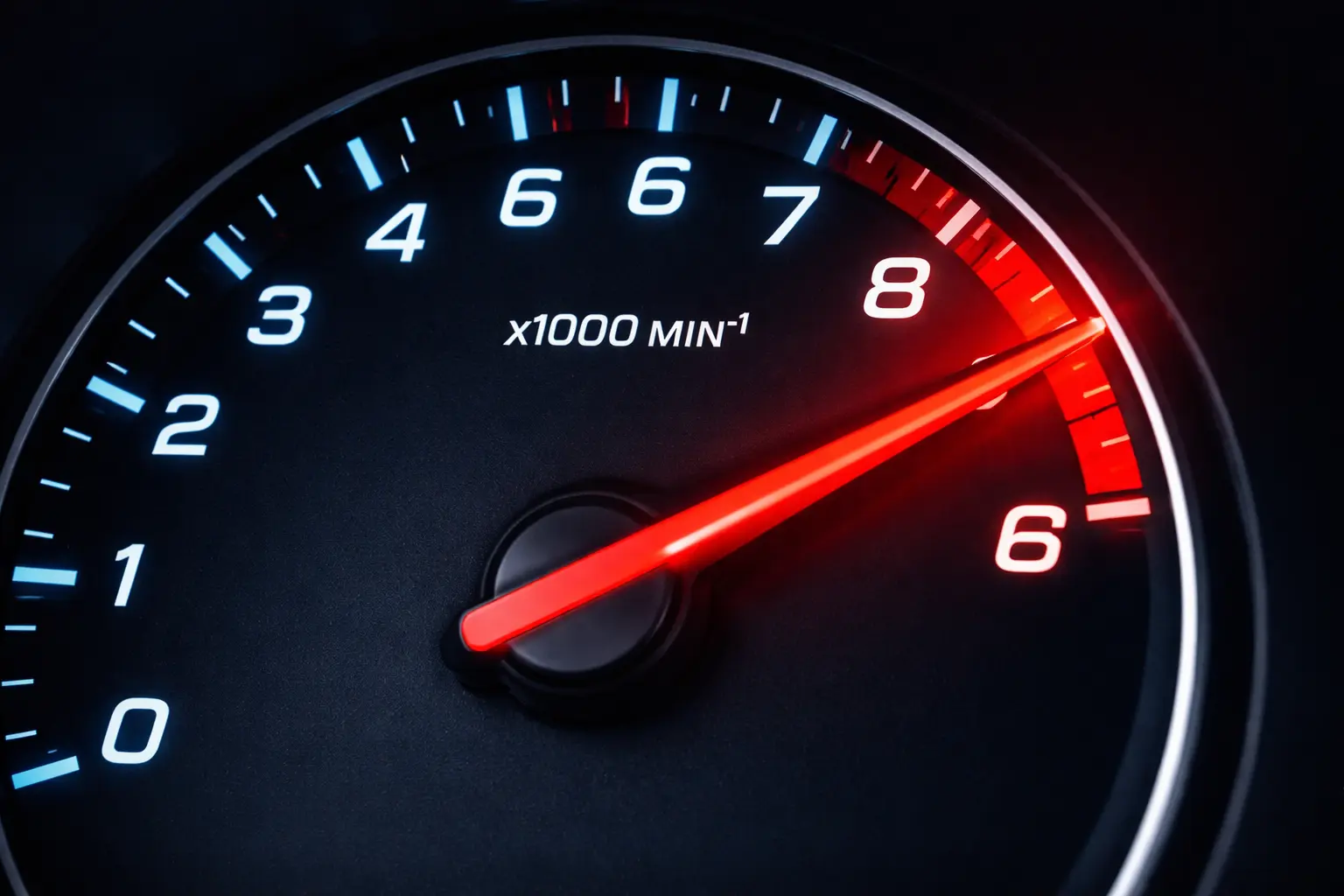
Yes, repeated redlining can damage your engine by causing overheating, accelerated wear, and internal component stress—especially if done when the engine is cold. Engine redlining means the vehicle is operating at its maximum RPM as indicated by the red zone on the tachometer. Exceeding the 'red zone' warning level might put undue strain on the internal engine components because there’s a fine line between pushing your car's limits and risking engine damage. Let's delve into the practice of redlining your engine and its potential consequences.
Understanding the Concept of Redlining
Every car comes with a redline, a boundary indicating the maximum RPM (revolutions per minute) that the engine can safely handle. Exceeding this limit can strain internal components and lead to various issues.
Factors Influencing Redlining
Several factors influence a car's redline, including engine design, displacement, stroke, and balance. These elements dictate how much stress an engine can endure before encountering problems.
The Risks of Redlining
While occasional redlining may not cause immediate damage, frequent pushing of the engine to its limit can result in increased wear and tear, oil breakdown, detonation, valve float, decreased fuel efficiency, and safety hazards on the road.
Tips to Avoid Redlining
To preserve your engine's health, it's essential to respect its limits, practice smooth shifting, follow proper engine break-in procedures, prioritize maintenance, opt for progressive acceleration, and avoid aggressive driving habits.
Occasional redlining is generally safe, but continuous redlining can harm your engine and lead to failure. Running an engine at redline for an extended period is not advisable, as it can cause overheating and increased wear on components.
In conclusion, understanding your car's redline and respecting its limitations is key to maximizing performance while ensuring engine longevity.


